
Swimming Pool Water Testing

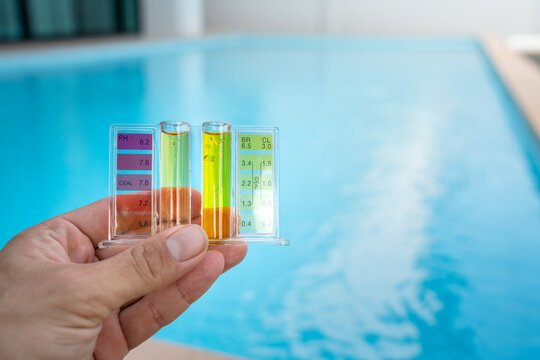
Swimming Pool Water Testing:
Swimming pool water testing ensures the safety and quality of the water by checking for correct chemical balances, pH levels, and the presence of harmful microorganisms. Regular testing is essential for maintaining a healthy swimming environment and preventing potential health risks.
zPurpose of Swimming Pool Water Testing:
To monitor and control the chemical properties and cleanliness of the swimming pool water, ensuring it is safe for swimmers and meets public health standards.
Key Tests for Swimming Pool Water:
- pH Level: Measures the acidity or alkalinity of the pool water. The ideal pH for pool water is between 7.2 and 7.8 to ensure comfort and effective chemical action.
Test Method: IS: 3025 (Part 11) - Chlorine Levels: Verifies the chlorine concentration in the water, ensuring the water is properly disinfected. The ideal chlorine level is 1-3 ppm (parts per million).
Test Method: IS: 3025 (Part 32) - Free Chlorine: Measures the concentration of available chlorine in the pool water that is actively disinfecting.
Test Method: IS: 3025 (Part 32) - Combined Chlorine: Measures the chlorine that has reacted with contaminants, indicating the effectiveness of the pool's disinfection process.
Test Method: IS: 3025 (Part 32) - Total Alkalinity: Indicates the buffering capacity of the pool water, helping to maintain pH stability. The ideal range is 80-120 ppm.
Test Method: IS: 3025 (Part 23) - Calcium Hardness: Determines the concentration of calcium in the water, affecting scaling and water balance. The ideal calcium hardness is 200-400 ppm.
Test Method: IS: 3025 (Part 21) - Total Dissolved Solids (TDS): Measures the total concentration of dissolved substances in the water. High TDS levels can lead to cloudy water and scaling.
Test Method: IS: 3025 (Part 14) - Chloramines: Detects the presence of chloramines, which are compounds formed when chlorine reacts with organic matter, contributing to unpleasant odors and irritation.
Test Method: IS: 3025 (Part 32) - Ammonia Levels: Measures ammonia concentration, which can interfere with chlorine’s disinfecting ability and contribute to water contamination.
Test Method: IS: 3025 (Part 34) - Turbidity: Assesses the clarity of the pool water, as cloudy water can be a sign of contamination or improper chemical balance.
Test Method: IS: 3025 (Part 10) - Microbial Testing: Checks for the presence of harmful microorganisms like bacteria, viruses, and fungi, which can pose health risks to swimmers.
Test Method: IS: 10500
Importance of Swimming Pool Water Testing:
- Ensures the pool water is clean and safe for swimmers, preventing waterborne diseases.
- Helps maintain the correct chemical balance for comfort and effective disinfection.
- Reduces the risks of irritation, rashes, or eye infections caused by improperly balanced pool water.
- Improves the lifespan of pool equipment by controlling the scaling and corrosion caused by imbalanced water chemistry.
Applicable Standards:
- IS: 3025 (Part 11) – Methods of Sampling and Test for Water: pH
- IS: 3025 (Part 32) – Methods of Sampling and Test for Water: Chlorine Content
- IS: 3025 (Part 23) – Methods of Sampling and Test for Water: Total Alkalinity
- IS: 3025 (Part 21) – Methods of Sampling and Test for Water: Calcium Hardness
- IS: 3025 (Part 14) – Methods of Sampling and Test for Water: Total Dissolved Solids (TDS)
- IS: 3025 (Part 10) – Methods of Sampling and Test for Water: Turbidity
- IS: 10500 – Drinking Water Specifications
Want to speak to our Customer Care Executive?
Just Submit Your Contact Details and We’ll be get in Touch With You Shortly.
© 2025 All Rights
Reserved.
Designed by CHITRI Enlargesoft IT Hub Pvt. Ltd.