
Burnt Clay Brick Testing

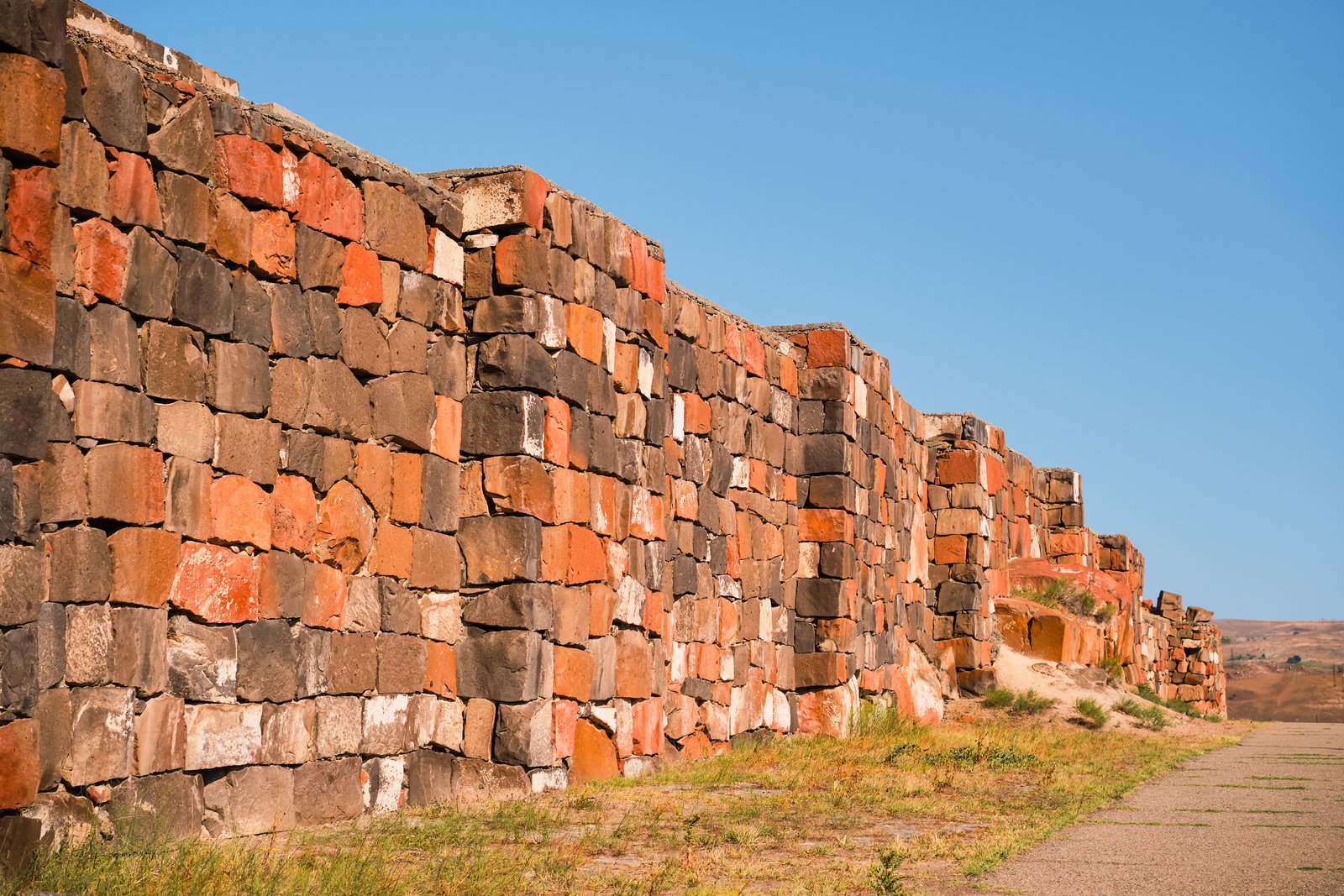
Burnt Clay Brick Testing:
Burnt clay bricks are one of the oldest and most commonly used building materials. They are made by molding clay and burning it in a kiln. To ensure structural safety and quality, several physical tests are conducted on bricks as per IS: 1077 and IS: 3495 standards.
Purpose of Brick Testing:
Testing helps determine the durability, strength, and dimensional stability of bricks. It ensures they meet the minimum standards required for construction work and load-bearing walls.
Key Tests for Burnt Clay Bricks:
- Compressive Strength: Measures the brick's ability to withstand loads without failure. Essential for structural integrity.
Test Method: IS: 3495 (Part 1) - Water Absorption: Indicates porosity and durability. Excessive absorption can reduce bonding with mortar and lead to dampness.
Test Method: IS: 3495 (Part 2) - Efflorescence Test: Assesses the presence of soluble salts, which may appear as white patches on the surface and affect aesthetics and durability.
Test Method: IS: 3495 (Part 3) - Dimension (Length): Ensures uniformity of brick length as per IS standard tolerances.
Test Method: IS: 1077 - Dimension (Width): Confirms consistent width of bricks for proper alignment and bonding.
Test Method: IS: 1077 - Dimension (Height): Checks the brick height to maintain uniformity in masonry courses.
Test Method: IS: 1077
Importance of Brick Testing:
- Ensures bricks are structurally strong and durable.
- Improves quality control during construction.
- Helps reduce maintenance by identifying poor-quality bricks early.
- Complies with BIS and other regulatory standards.
Applicable Standards:
- IS: 1077 – Common Burnt Clay Building Bricks Specification
- IS: 3495 (Parts 1–4) – Methods of Tests of Burnt Clay Building Bricks
Want to speak to our Customer Care Executive?
Just Submit Your Contact Details and We’ll be get in Touch With You Shortly.
© 2025 All Rights
Reserved.
Designed by CHITRI Enlargesoft IT Hub Pvt. Ltd.