
Packaged Drinking Water Testing

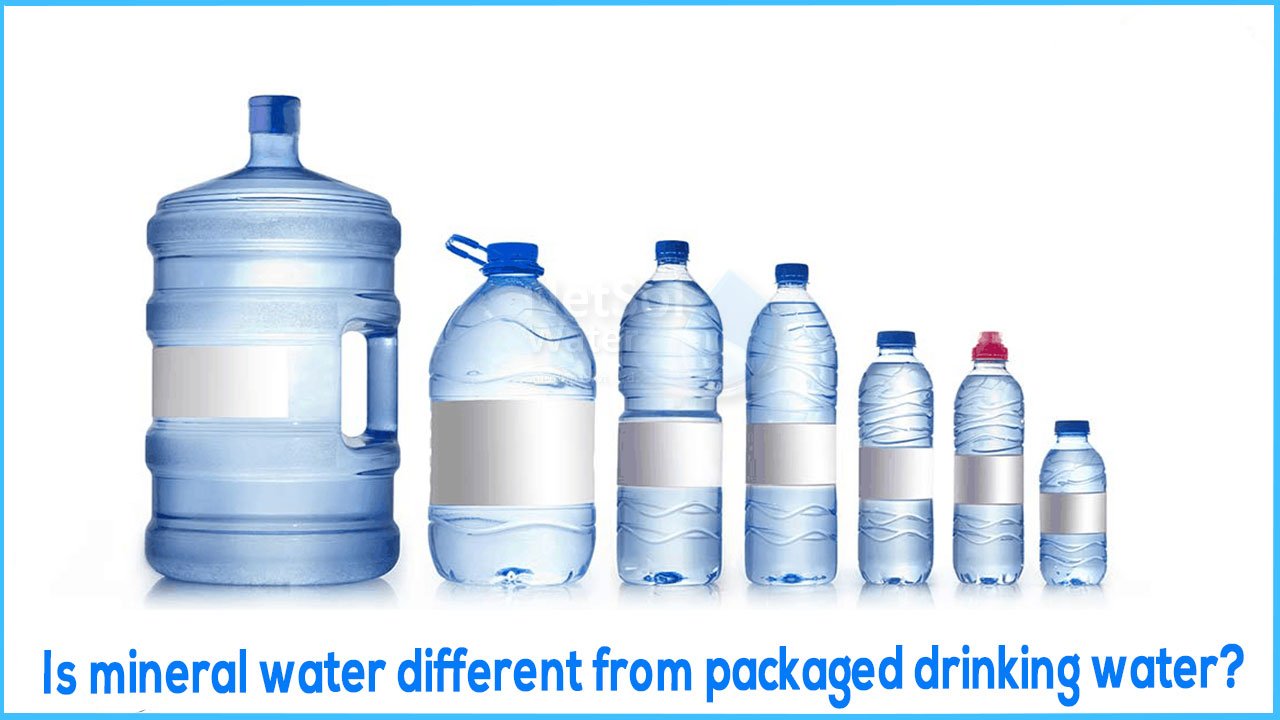
Packaged Drinking Water Testing:
Packaged drinking water testing ensures that the water packaged for consumer use is safe, clean, and meets all regulatory standards. This testing verifies that the water is free from contaminants, harmful microorganisms, and has the correct chemical properties for safe consumption.
Purpose of Packaged Drinking Water Testing:
To ensure that packaged drinking water is safe for human consumption, free from contaminants, and complies with regulatory standards for purity, taste, and safety.
Key Tests for Packaged Drinking Water:
- pH Level: Measures the acidity or alkalinity of the water. The pH should be between 6.5 and 8.5 for optimal safety and taste.
Test Method: IS: 3025 (Part 11) - Microbial Testing: Checks for harmful microorganisms (e.g., bacteria, viruses) in the water that could cause waterborne diseases.
Test Method: IS: 10500 - Total Dissolved Solids (TDS): Measures the total concentration of dissolved solids in the water, which can affect taste and quality. The ideal TDS range for drinking water is 500 mg/L.
Test Method: IS: 3025 (Part 14) - Chloride Content: Measures the chloride concentration in the water. High chloride levels can affect the taste of the water and indicate contamination.
Test Method: IS: 3025 (Part 32) - Hardness: Determines the concentration of calcium and magnesium in the water. Excessive hardness can affect the water's taste and can cause scaling in pipes.
Test Method: IS: 3025 (Part 21) - Iron Content: Tests for the presence of iron in the water, which can cause staining and an unpleasant taste.
Test Method: IS: 3025 (Part 53) - Fluoride Levels: Measures fluoride concentration. While fluoride is beneficial in low concentrations, high levels can cause health issues.
Test Method: IS: 3025 (Part 60) - Chlorine Residual: Assesses the residual chlorine in the water. Excessive chlorine can affect the taste and cause irritation.
Test Method: IS: 3025 (Part 32) - Coliform Bacteria: Detects the presence of coliform bacteria, which indicates potential contamination and the need for disinfection.
Test Method: IS: 10500 - Calcium and Magnesium: Measures the levels of calcium and magnesium, which are important for the water's hardness and overall quality.
Test Method: IS: 3025 (Part 21) - Heavy Metals (Lead, Arsenic, Mercury, etc.): Detects the presence of toxic metals, which can pose serious health risks when consumed over time.
Test Method: IS: 3025 (Part 41)
Importance of Packaged Drinking Water Testing:
- Ensures the water is free from harmful contaminants, chemicals, and microorganisms.
- Helps maintain the quality, taste, and safety of packaged drinking water.
- Prevents health issues related to the consumption of contaminated water.
- Complies with regulatory requirements and standards for packaged drinking water.
Applicable Standards:
- IS: 10500 – Drinking Water Specifications
- IS: 3025 (Part 11) – Methods of Sampling and Test for Water: pH
- IS: 3025 (Part 14) – Methods of Sampling and Test for Water: Total Dissolved Solids (TDS)
- IS: 3025 (Part 32) – Methods of Sampling and Test for Water: Chlorine Content
- IS: 3025 (Part 21) – Methods of Sampling and Test for Water: Hardness
- IS: 3025 (Part 53) – Methods of Sampling and Test for Water: Iron Content
- IS: 3025 (Part 60) – Methods of Sampling and Test for Water: Fluoride
- IS: 3025 (Part 41) – Methods of Sampling and Test for Water: Heavy Metals
- IS: 10500 – Methods of Sampling and Test for Water: Coliform Bacteria
Want to speak to our Customer Care Executive?
Just Submit Your Contact Details and We’ll be get in Touch With You Shortly.
© 2025 All Rights
Reserved.
Designed by CHITRI Enlargesoft IT Hub Pvt. Ltd.