
Heavy Compaction Testing

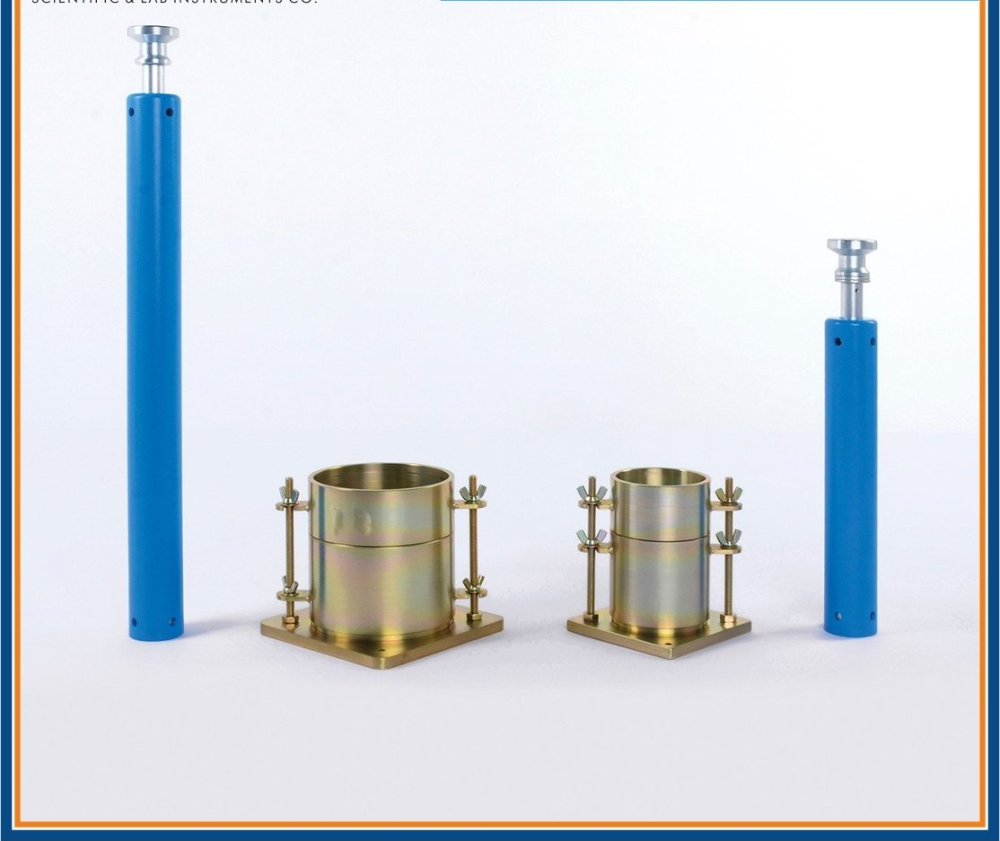
Heavy Compaction Testing:
Heavy Compaction Testing, also known as the Modified Proctor Test, is used to determine the optimum moisture content (OMC) and maximum dry density (MDD) of soil. This test is essential for evaluating the compaction characteristics of soil, which is important for construction projects such as road construction, embankments, and building foundations.
Purpose of Heavy Compaction Testing:
The primary purpose of the heavy compaction test is to determine the maximum density a soil can achieve when compacted under a given set of conditions. The test helps in identifying the ideal moisture content for compacting soil to its maximum density, which is crucial for ensuring stability and strength in construction projects.
Test Procedure for Heavy Compaction:
- Soil Sample Preparation: A soil sample is taken and dried in an oven to remove any moisture content. The soil is then passed through a 4.75 mm sieve to remove any large particles.
- Moisture Content Determination: The soil is mixed with different moisture contents, typically 4 to 6 different moisture levels, ranging from dry to wet.
- Compaction: A cylindrical mold is used, and the soil is compacted in three layers, each layer being compacted with 10 to 15 blows of a 4.5 kg rammer, dropped from a height of 450 mm. The compaction is done at each moisture content.
- Measurement: After compaction, the height of the compacted soil is measured, and the dry density is calculated. This is done for each moisture content.
Calculation of Results:
The dry density (ρd) is calculated using the following formula:
ρd = (W / V)
Where:
W = Weight of the compacted soil (in kg)
V = Volume of the mold (in cm³ or m³)
The optimum moisture content (OMC) is the moisture content at which the soil achieves its maximum dry density (MDD). The test results are typically plotted on a graph with dry density on the y-axis and moisture content on the x-axis.
Heavy Compaction Test Results:
The test results provide two important values:
- Optimum Moisture Content (OMC): The moisture content at which the soil achieves maximum dry density.
- Maximum Dry Density (MDD): The highest dry density that the soil can attain at the optimum moisture content.
Importance of Heavy Compaction Testing:
Heavy compaction testing is critical for ensuring the stability and durability of soil in construction projects. Proper compaction increases the strength, reduces permeability, and prevents future settlement of the soil. It helps in:
- Designing foundations and pavements with adequate load-bearing capacity
- Preventing soil erosion and shifting
- Improving soil structure for better support under varying weather conditions
Applications of Heavy Compaction Testing:
Heavy compaction testing is used in various civil engineering applications, such as:
- Design and construction of road and highway embankments
- Foundation construction for buildings, bridges, and other infrastructure
- Compaction of soil for railways and airports
- Assessment of subgrade soil in pavement design
Test Method:
IS: 2720 (Part 8) – 1983 provides the standard guidelines for performing heavy compaction testing in India.
Want to speak to our Customer Care Executive?
Just Submit Your Contact Details and We’ll be get in Touch With You Shortly.