
Specific Gravity Testing

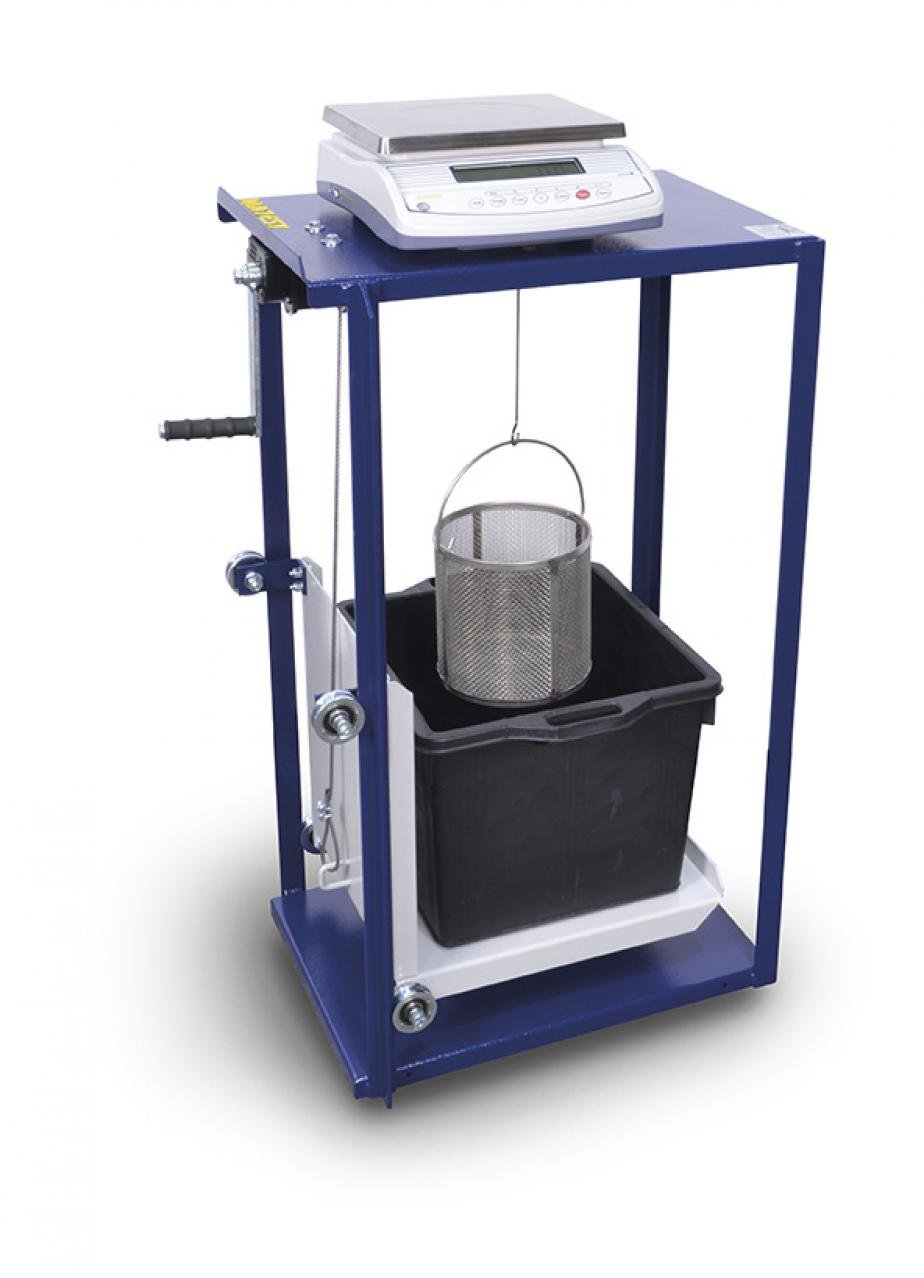
Specific Gravity Testing:
Specific Gravity Testing is a laboratory procedure used to determine the specific gravity (G) of soil solids. It is the ratio of the weight of a given volume of soil solids to the weight of an equal volume of water. This value is essential for various calculations in soil mechanics, including void ratio, porosity, and degree of saturation.
Purpose of Specific Gravity Testing:
The main purpose of the specific gravity test is to determine the relative density of soil solids compared to water. This test helps in soil classification, calculation of unit weight, and analysis of soil strength and behavior.
Test Procedure for Specific Gravity:
- Soil Sample Preparation: A dry soil sample (free from organic matter and oversized particles) is prepared and weighed accurately.
- Use of Pycnometer: The test is typically conducted using a density bottle or pycnometer filled with soil and distilled water.
- Weighing: The following weights are recorded:
- Weight of empty pycnometer (W₁)
- Weight of pycnometer with dry soil (W₂)
- Weight of pycnometer with soil and water (W₃)
- Weight of pycnometer filled with water only (W₄)
- Temperature Control: The test is performed at a standard temperature (typically 27°C) for accuracy.
Calculation of Results:
The specific gravity (G) of the soil is calculated using the formula:
G = (W₂ - W₁) / [(W₂ - W₁) - (W₃ - W₄)]
Specific Gravity Test Results:
The result of the test is the **Specific Gravity (G)** of soil solids. Typical values are:
- Sand: 2.65 – 2.67
- Silt: 2.65 – 2.70
- Clay: 2.70 – 2.80
Importance of Specific Gravity Testing:
This test is important for the following reasons:
- Helps in determining other soil properties like void ratio, porosity, and unit weight.
- Essential for soil classification and identifying mineral composition.
- Used in calculating compaction and consolidation characteristics of soil.
Applications of Specific Gravity Testing:
- Design of foundations, embankments, and retaining structures.
- Calculation of moisture content and other index properties.
- Evaluation of soil stability and settlement behavior.
Test Method:
IS: 2720 (Part 3) – 1980 provides the standard procedure for performing Specific Gravity Testing in India.
Want to speak to our Customer Care Executive?
Just Submit Your Contact Details and We’ll be get in Touch With You Shortly.