
Fly Ash Brick Testing

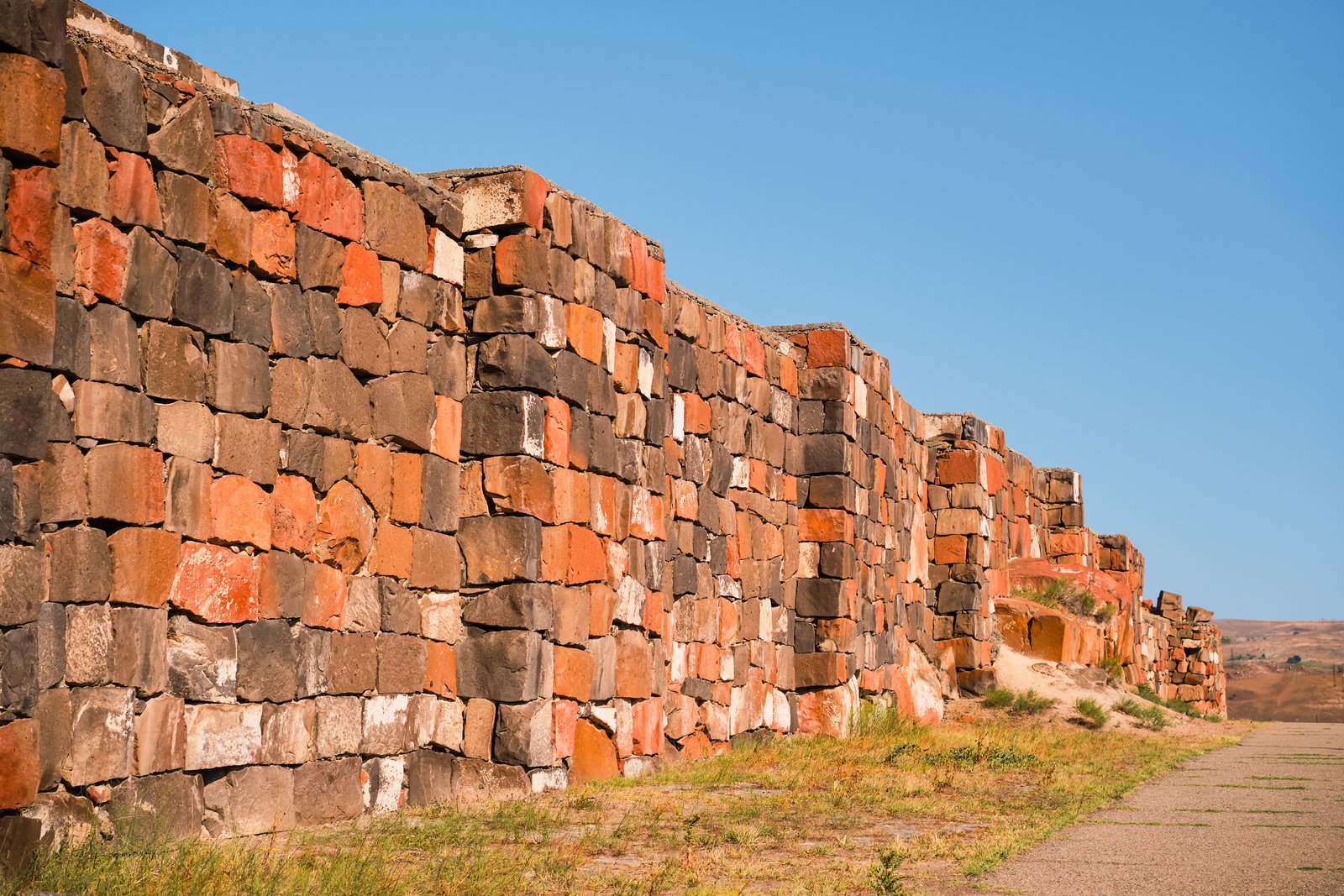
Fly Ash Brick Testing:
Fly ash bricks are an eco-friendly alternative to traditional clay bricks, made using fly ash, cement/lime, and gypsum. They offer uniformity, better strength, and resistance to moisture. Testing ensures compliance with IS: 12894 standards.
Purpose of Fly Ash Brick Testing:
Testing fly ash bricks helps evaluate their strength, water absorption, size accuracy, and durability for safe and efficient construction.
Key Tests for Fly Ash Bricks:
- Compressive Strength: Measures load-bearing capacity. Bricks must meet the minimum strength as per class (e.g., 3.5 MPa, 7.5 MPa, etc.).
Test Method: IS: 3495 (Part 1) - Water Absorption: Determines porosity and durability. Should be less than 20% by weight.
Test Method: IS: 3495 (Part 2) - Efflorescence: Detects soluble salts that cause surface deposits or damage. Should be nil or slight.
Test Method: IS: 3495 (Part 3) - Dimension (Length, Width, Height): Checks uniformity and adherence to tolerance limits for proper masonry work.
Test Method: IS: 3495 (Part 2) - Drying Shrinkage: Measures shrinkage due to moisture loss which could cause cracking.
Test Method: IS: 12894 - Density: Evaluates the compactness and weight of the brick, influencing structural load.
Test Method: IS: 12894
Importance of Fly Ash Brick Testing:
- Ensures bricks meet structural and durability requirements.
- Reduces the risk of cracking, water seepage, and efflorescence.
- Promotes the use of industrial waste in construction, supporting sustainability.
- Ensures compliance with IS standards and project specifications.
Applicable Standards:
- IS: 12894 – Specification for Fly Ash Lime Bricks
- IS: 3495 (Parts 1 to 4) – Methods of Tests of Burnt Clay Building Bricks (Applicable to fly ash bricks as well)
Want to speak to our Customer Care Executive?
Just Submit Your Contact Details and We’ll be get in Touch With You Shortly.
© 2025 All Rights
Reserved.
Designed by CHITRI Enlargesoft IT Hub Pvt. Ltd.