
Coarse Aggregate Testing

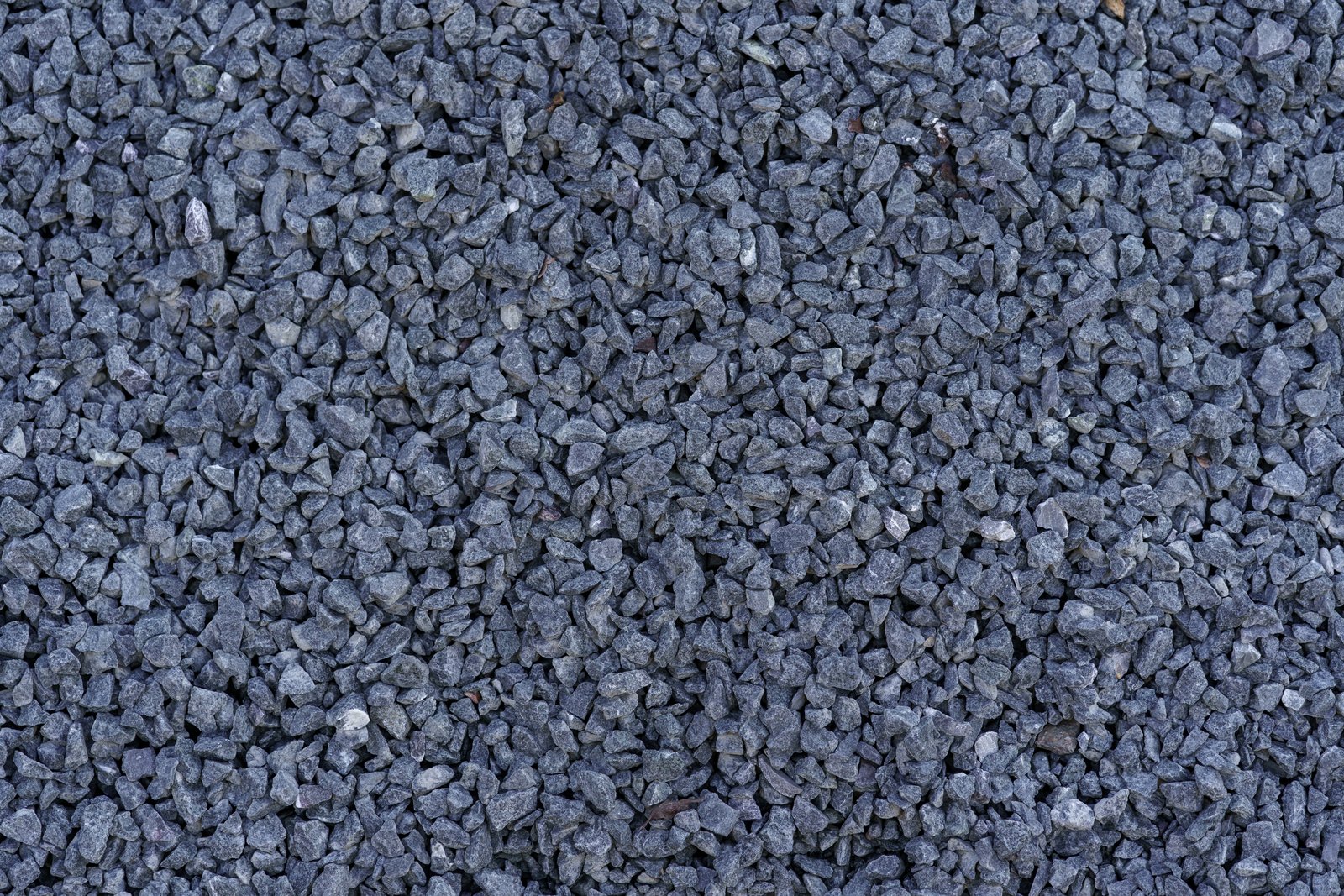
Coarse Aggregate Testing:
Coarse aggregates are crucial in concrete and road construction as they provide strength, durability, and volume stability. Testing ensures aggregates meet quality standards for size, shape, strength, cleanliness, and durability according to IS: 2386.
Purpose of Coarse Aggregate Testing:
Testing helps determine the suitability of aggregate for use in construction, ensuring concrete and pavement performance meets design expectations. It minimizes the risk of failures due to poor-quality materials.
Key Tests for Coarse Aggregates:
- Aggregate Crushing Value: Measures the resistance of aggregate to crushing under gradually applied compressive load. Indicates strength.
Test Method: IS: 2386 (Part 4) - Aggregate Impact Value: Assesses the resistance to sudden impact or shock loading. Important for road base materials.
Test Method: IS: 2386 (Part 4) - Flakiness and Elongation Index: Determines the shape characteristics. High flaky or elongated aggregates can affect concrete workability and strength.
Test Method: IS: 2386 (Part 1) - Water Absorption: Indicates porosity and affects the water-cement ratio in mix design.
Test Method: IS: 2386 (Part 3) - Specific Gravity: Helps in mix design calculations. Indicates material density.
Test Method: IS: 2386 (Part 3) - Bulk Density: Mass per unit volume including voids. Affects batching and proportioning in concrete mix.
Test Method: IS: 2386 (Part 3) - Sieve Analysis (Grading): Determines particle size distribution to ensure proper gradation for concrete mix design.
Test Method: IS: 2386 (Part 1) - Finer than 75 Micron: Measures the amount of dust or clay particles. Excess fines can affect bond and hydration.
Test Method: IS: 2386 (Part 1) - Los Angeles Abrasion Value: Measures resistance to wear and tear. Important for pavement materials.
Test Method: IS: 2386 (Part 4)
Importance of Aggregate Testing:
- Ensures strength and durability of concrete or asphalt mixes.
- Prevents failures due to poor aggregate quality.
- Helps maintain workability, finish, and long-term performance.
- Complies with Indian Standard (IS) specifications.
Applicable Standards:
- IS: 2386 (Parts 1 to 8) – Methods of Test for Aggregates for Concrete
- IS: 383 – Specification for Coarse and Fine Aggregates from Natural Sources for Concrete
Want to speak to our Customer Care Executive?
Just Submit Your Contact Details and We’ll be get in Touch With You Shortly.
© 2025 All Rights
Reserved.
Designed by CHITRI Enlargesoft IT Hub Pvt. Ltd.